Introduction
Smartphones have become an essential part of daily life, helping us stay connected, work remotely, create content, play games, and manage finances. As smartphone usage continues to increase, battery technology and charging speeds have become more important than ever.
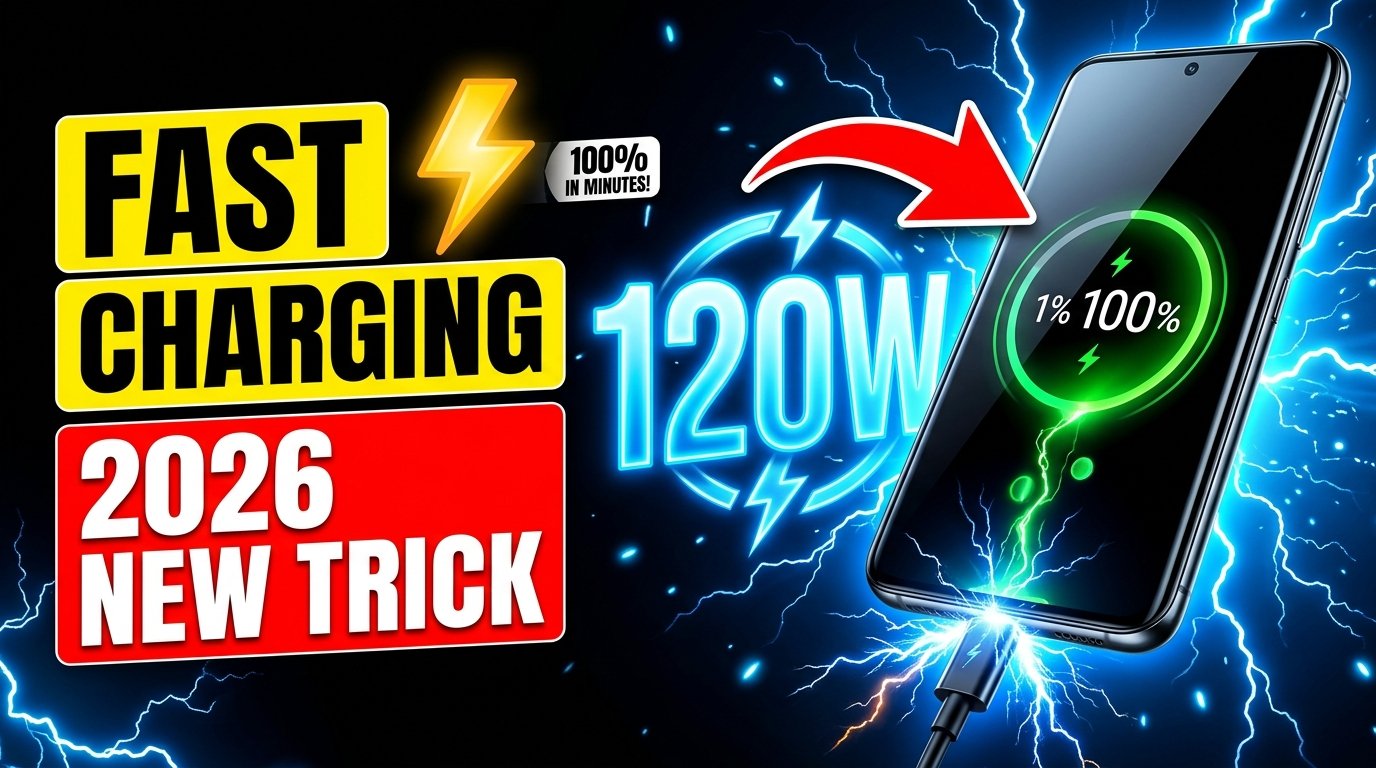
In 2026, mobile fast charging technology has reached new heights, allowing users to charge their devices in a fraction of the time compared to older charging methods. What once took several hours can now be completed in minutes thanks to advanced charging innovations.
In this guide, we’ll explore how fast charging works, its benefits, the latest technologies, and why it represents the future of smartphone charging.
What Is Mobile Fast Charging?
Fast charging is a technology that delivers higher power to a smartphone battery, allowing it to recharge significantly faster than traditional charging methods.
Instead of waiting 2–3 hours for a full charge, modern devices can often reach substantial battery levels within a much shorter period.
Fast charging systems are designed to optimize:
- Charging speed
- Battery safety
- Power efficiency
- Heat management
Why Fast Charging Matters
Modern users rely heavily on smartphones.
People use their devices for:
- Social media
- Gaming
- Online classes
- Video streaming
- Business communication
- Mobile banking
A dead battery can interrupt important activities.
Fast charging helps users spend less time connected to chargers and more time using their devices.
Evolution of Smartphone Charging
Early Mobile Phones
Older phones often required several hours for a complete charge.
Typical charging speeds ranged from:
- 5W
- 10W
Charging was slow but acceptable because usage demands were lower.
Modern Smartphones
Today’s devices support significantly higher charging power.
Common fast charging standards include:
- 25W
- 33W
- 45W
- 67W
- 80W
- 100W+
This allows batteries to recharge much faster than before.
How Fast Charging Works
Fast charging increases the amount of electrical power delivered to the battery.
The charging system typically consists of:
Smart Charger
Controls power delivery.
Charging Cable
Transfers power efficiently.
Battery Management System
Protects the battery during charging.
Temperature Monitoring
Helps prevent overheating.
Together, these components ensure fast and safe charging.
Benefits of Mobile Fast Charging
Save Time
One of the biggest advantages.
Users spend less time waiting for their devices to charge.
Better Productivity
Quick charging helps professionals stay connected throughout the day.
Ideal for Travelers
Fast charging is useful when users have limited access to power outlets.
Improved Convenience
A short charging session can provide enough power for several hours of use.
Better User Experience
Modern smartphones feel more practical when charging is faster.
Popular Fast Charging Technologies in 2026
USB Power Delivery (USB-PD)
One of the most widely used charging standards.
Benefits:
- Universal compatibility
- Safe power management
- Fast charging support
Adaptive Fast Charging
Adjusts charging speed based on battery conditions.
Benefits:
- Improved efficiency
- Enhanced safety
Super Fast Charging
Available on many flagship smartphones.
Designed for users who need maximum charging speed.
Intelligent Charging Systems
AI-powered charging systems can:
- Monitor battery health
- Optimize charging patterns
- Reduce battery wear
How Long Does Fast Charging Take?
Charging time depends on several factors:
- Battery size
- Charger power
- Device compatibility
- Battery condition
In many cases:
10 Minutes
Can provide several hours of usage.
20–30 Minutes
Can restore a significant portion of battery capacity.
Full Charge
Varies depending on device specifications.
Is Fast Charging Safe?
Modern fast charging systems are generally designed with safety in mind.
Manufacturers include:
Temperature Protection
Prevents overheating.
Voltage Regulation
Controls power flow.
Overcharge Protection
Stops charging when necessary.
Smart Battery Monitoring
Maintains battery health.
When using certified accessories, fast charging is typically safe for everyday use.
Tips for Faster Charging
Use the Original Charger
Original accessories often provide the best compatibility.
Use Quality Charging Cables
Damaged or low-quality cables can reduce charging efficiency.
Avoid Extreme Temperatures
Charging in excessively hot environments can affect performance.
Keep Charging Ports Clean
Dust and debris may interfere with charging.
Update Device Software
Software updates often improve charging management.
Common Fast Charging Myths
Myth 1: Fast Charging Always Damages Batteries
Modern smartphones include protective systems designed to manage charging safely.
Myth 2: Charging Overnight Is Always Harmful
Many modern devices automatically manage charging once the battery reaches high levels.
Myth 3: All Chargers Provide the Same Speed
Charging performance depends on:
- Charger output
- Cable quality
- Device compatibility
Future of Smartphone Charging
The future looks extremely exciting.
Upcoming innovations may include:
Ultra-Fast Charging
Even shorter charging times.
Wireless Fast Charging
Faster cable-free charging experiences.
AI Battery Optimization
Smarter charging based on user habits.
Improved Battery Materials
Longer battery lifespan and better efficiency.
Sustainable Energy Solutions
More environmentally friendly charging systems.
Wireless Fast Charging in 2026
Wireless charging continues improving rapidly.
Benefits include:
- No cables required
- Cleaner setup
- Increased convenience
Future systems may offer speeds approaching wired charging solutions.
Fast Charging and Gaming
Mobile gamers particularly benefit from fast charging.
Advantages include:
- Reduced downtime
- More gaming sessions
- Faster battery recovery
This is especially important for competitive and online gaming.
Best Practices for Battery Health
Even with fast charging, maintaining battery health remains important.
Avoid Excessive Heat
Heat is one of the biggest factors affecting battery longevity.
Use Trusted Accessories
Choose reliable charging equipment.
Keep Software Updated
Battery optimization often improves through updates.
Monitor Battery Usage
Identify apps that consume excessive power.
Why Fast Charging Is the Future
Modern lifestyles demand speed and convenience.
Users expect smartphones to:
- Charge quickly
- Last longer
- Support intensive workloads
Fast charging technology helps meet these expectations while improving overall user experience.
As battery and charging innovations continue advancing, charging times will likely become even shorter.
Final Thoughts
Mobile fast charging has transformed the way people use smartphones. What once required hours now takes minutes, making modern devices more practical and efficient than ever before.
Whether you’re a student, professional, gamer, traveler, or content creator, fast charging provides significant benefits by reducing downtime and keeping your device ready when you need it most.
Conclusion
Fast charging represents one of the most important smartphone innovations of recent years. As technology continues to evolve, users can expect even faster, safer, and more efficient charging solutions in the future. In 2026, mobile fast charging is no longer just a convenience—it’s an essential feature for modern smartphone users.



Fast charge